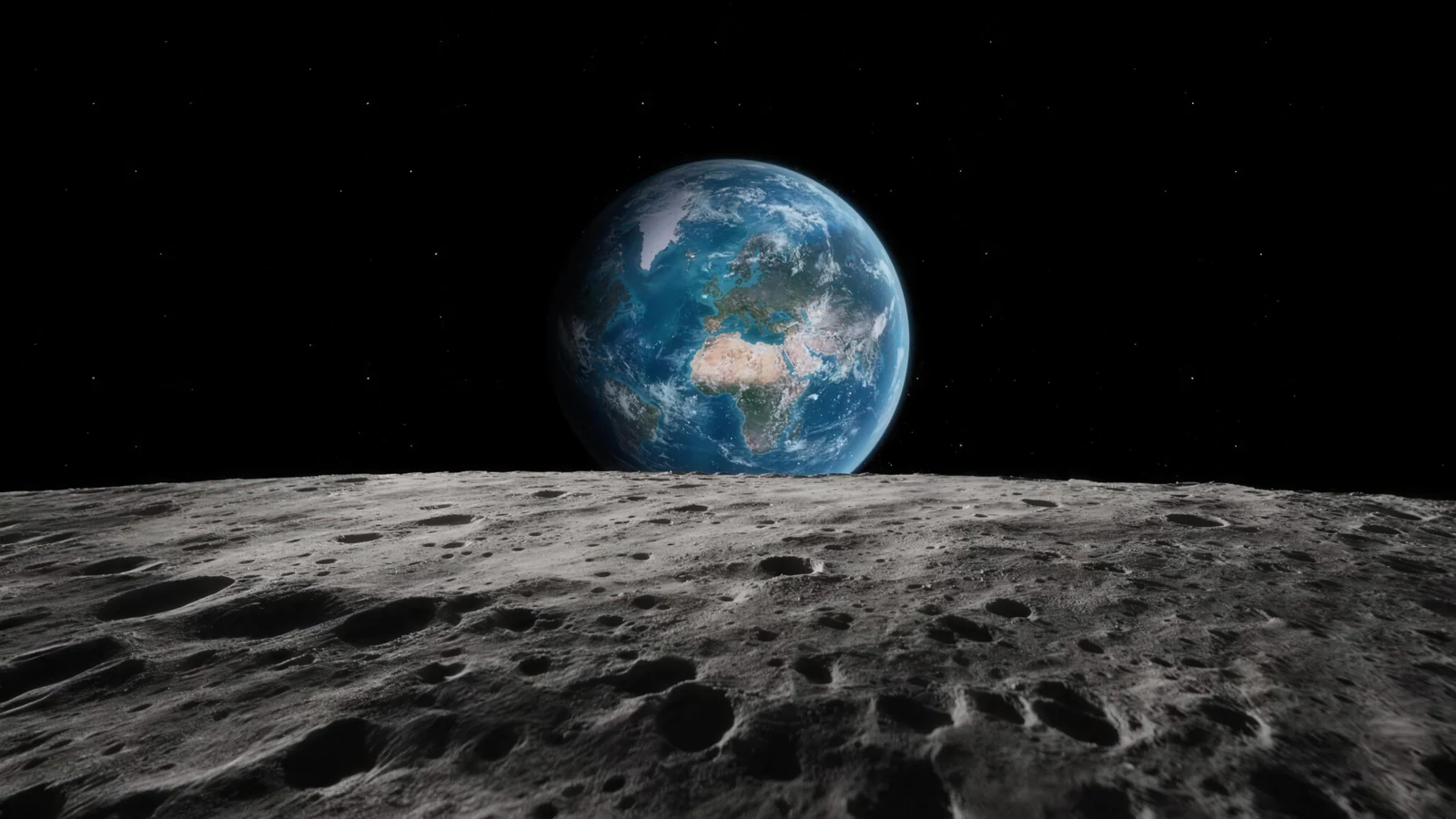
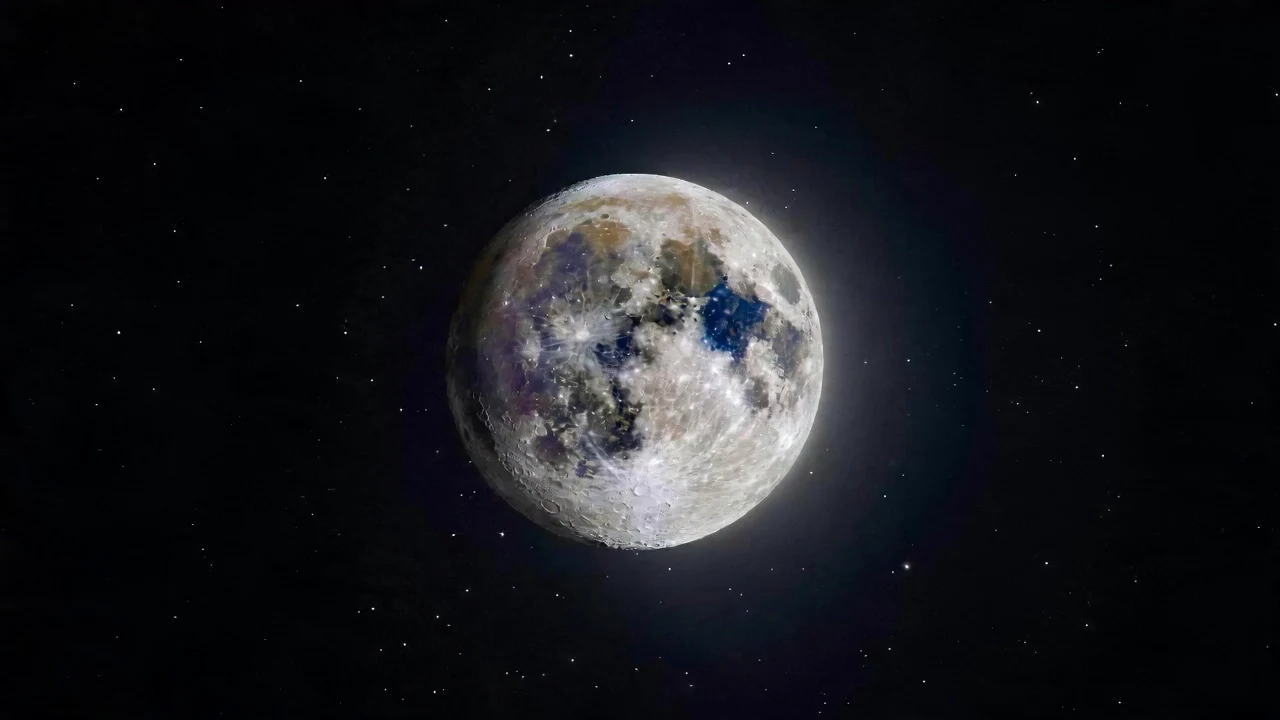
Three pillars: Astrodynamics, Deep Learning & AI, and Design–Build–Test.
Artemis-era mission design, computer-vision navigation, and hands-on hardware.
What, how and why? Space exploration is entering a new operational era: the Artemis program is returning humans to the Moon, and commercial ventures are rewriting the economics of cislunar logistics. My work sits at the intersection of these forces — designing mission architectures through Generative AI and Explainable AI, building computer vision navigation systems for spacecraft rendezvous, and contributing to the hardware systems that make it all real. The following pillars define my technical expertise.
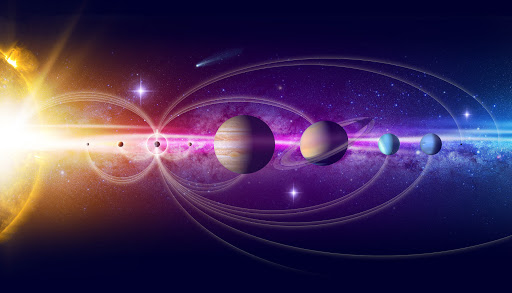
Astrodynamics
The motion of natural and artificial objects in space — from preliminary orbit determination for Brazilian satellites to Artemis-era mission architectures in the CR3BP.
- Interplanetary trajectory design
- Rendezvous & Proximity Operations
- Computer vision-based navigation
- Multi-body dynamics & CR3BP
- In-situ resource utilization
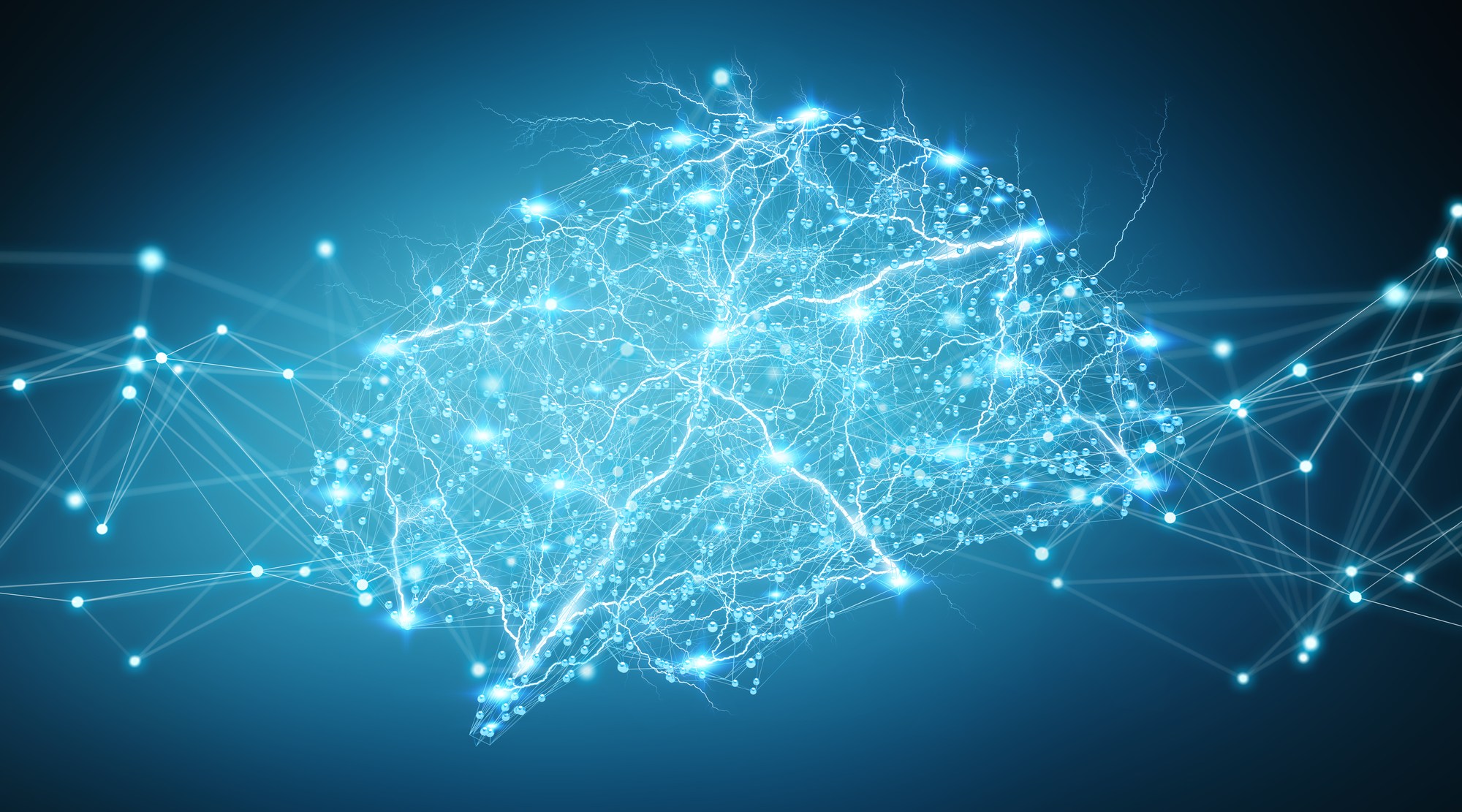
Deep Learning & AI
Generative design of space systems via Reinforcement Learning, Explainable AI for mission architecture trade-offs, and neural networks for spacecraft navigation and transfer optimization.
- Reinforcement Learning for design
- Explainable AI (XAI)
- Generative Design & System-of-Systems
- Computer Vision & SE(3) Dynamics
- Deep Learning Mission Design
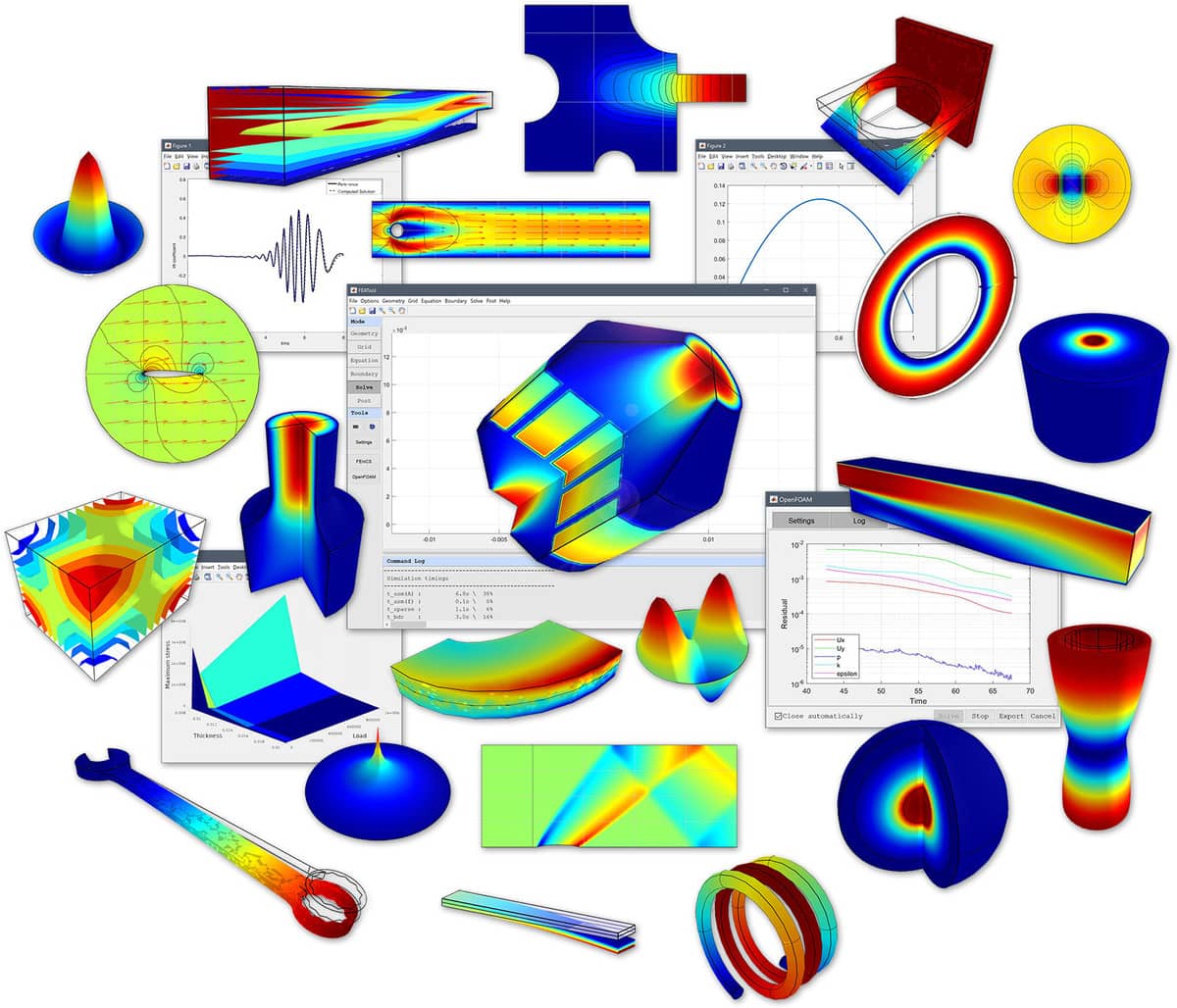
Design, Build & Test
Hands-on engineering: carbon-fiber rocket structures with Project Jupiter, LIDAR-drone integration for Mars EDL research at MDRS, and the RocketPy flight simulator.
- Topological optimization
- Multi-physics modeling
- Design space exploration
- Additive manufacturing
- Industry 4.0
Vibe Coding Projects
Side projects built end-to-end with an AI pair programmer (Claude Code): I set the problem, the architecture and the quality bar, and the code gets written in conversation. Each one is a working product with its own repository, not a mock-up.
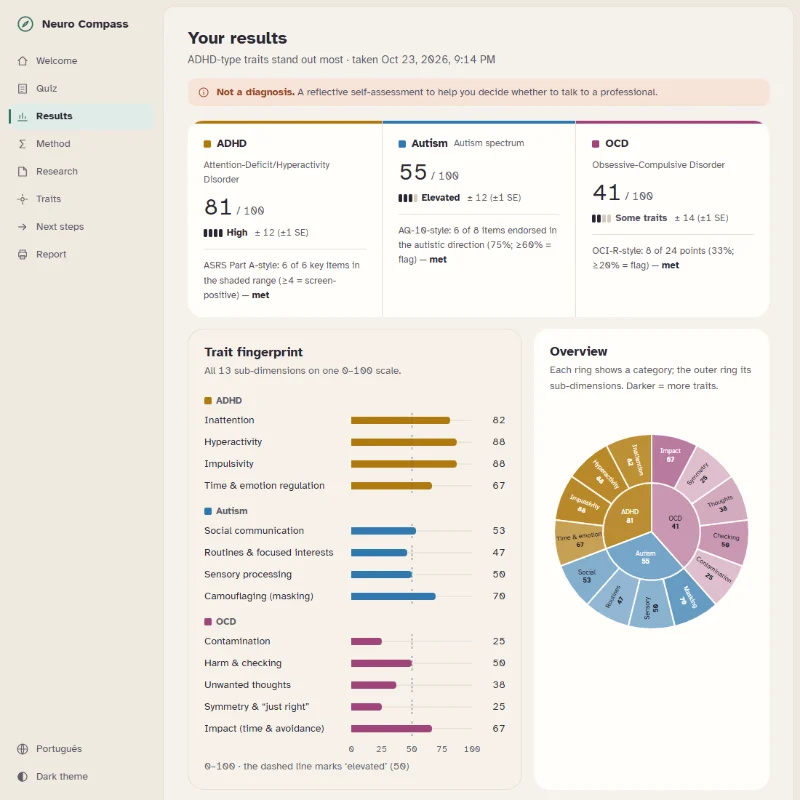
Neuro Compass
A private, bilingual (EN / PT-BR) self-reflection quiz for ADHD, autistic and OCD traits, with every formula and research source on show. Not a diagnosis.
View project →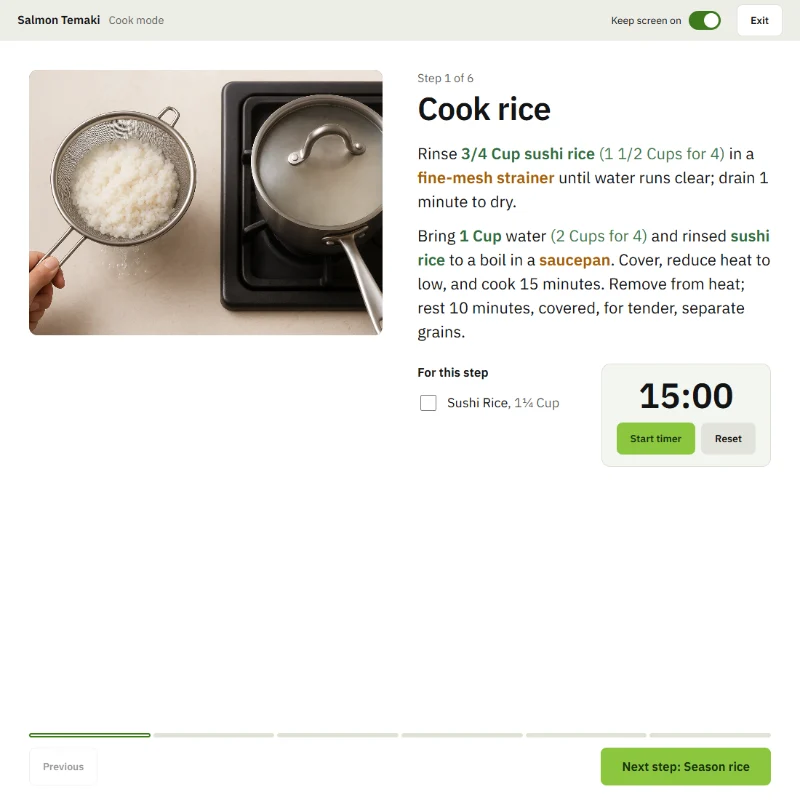
Cooking Daddy
AI-generated, meal-kit-style recipe cards rescaled to the portions you actually eat, with nutrition derived from your own body stats.
View project →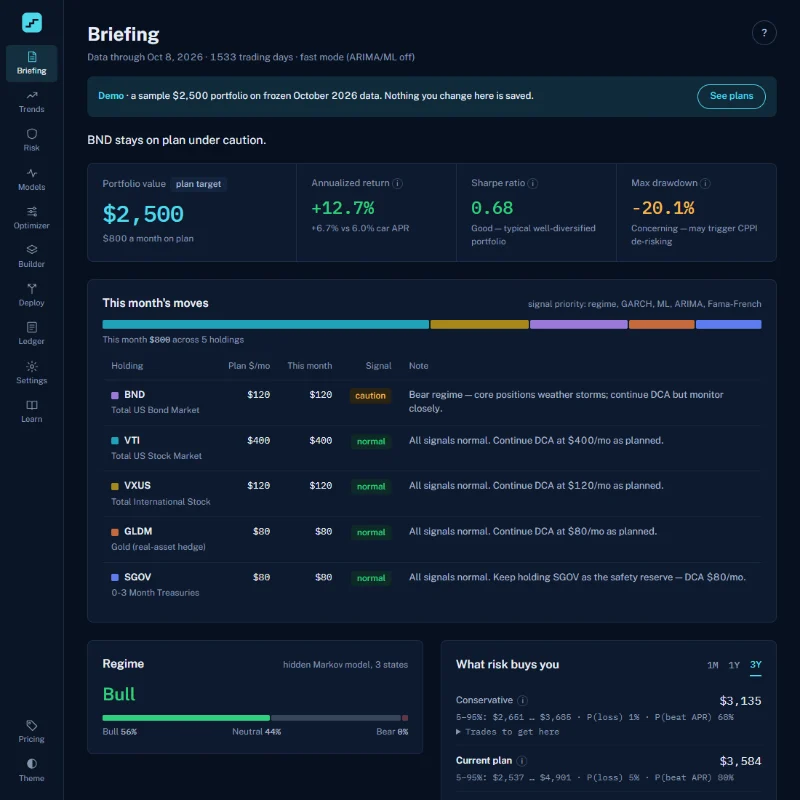
Show Me The Money
A quantitative portfolio cockpit: regime detection, GARCH risk, ML signals, an optimizer and a monthly emailed briefing.
View project →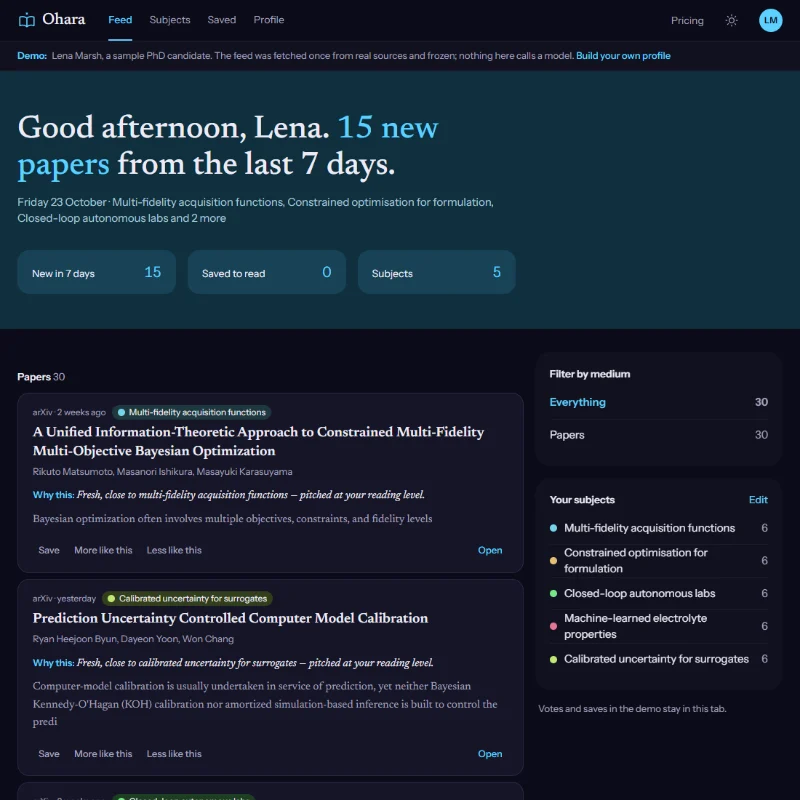
Ohara
Reads a researcher's CV and profiles, then surfaces state-of-the-art papers and media matched to what they are ready to learn next.
View project →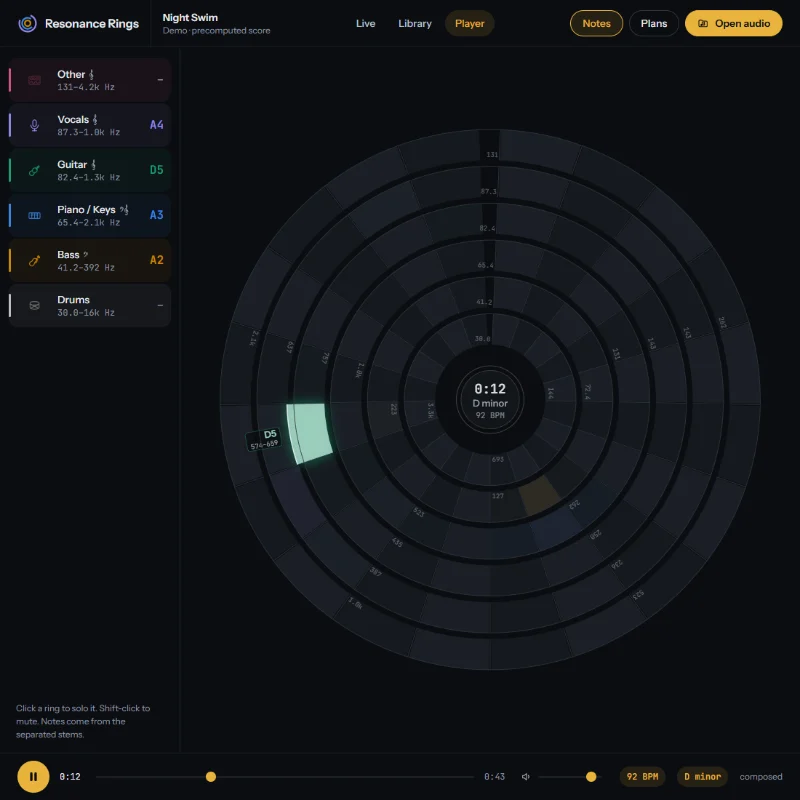
Can I See The Music
Six rings of light, one per instrument: drop a song and watch who is playing what, with notes transcribed from separated stems.
View project →Plans and pricing for the apps.